Overview:
What if the side effect no one warned you about isn’t caused by the drug—but by how your body reacts to it?
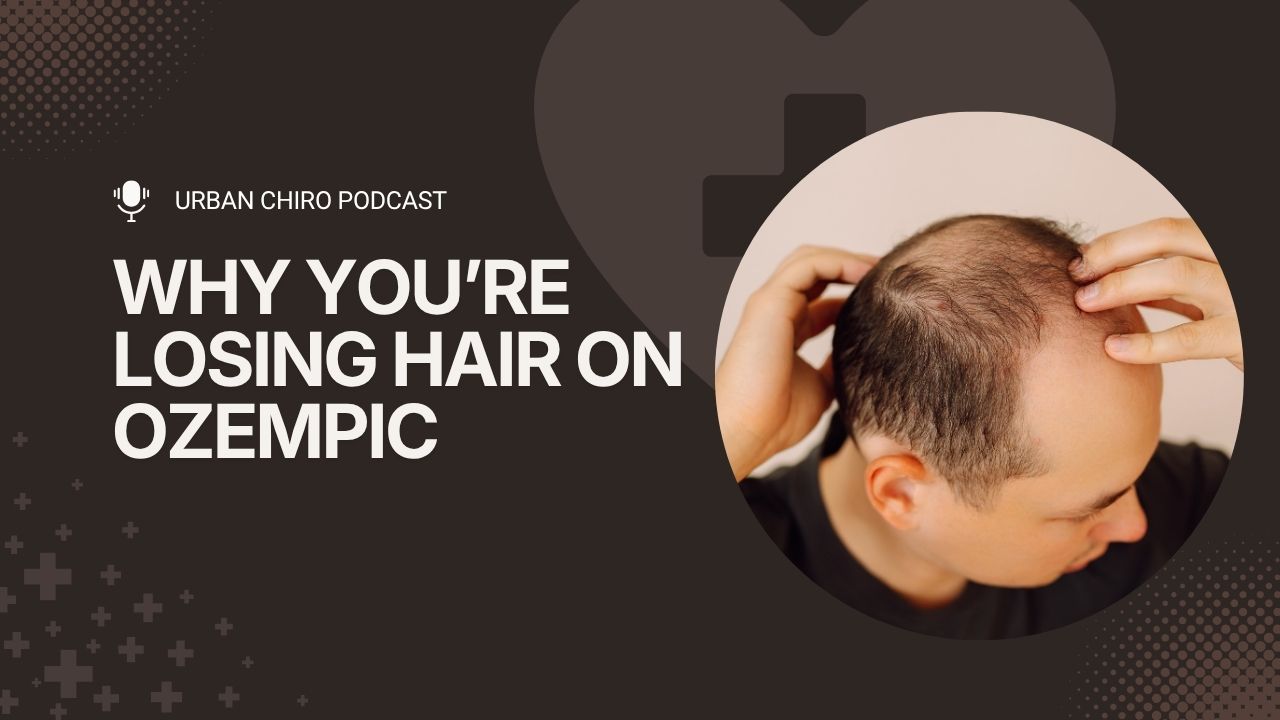
In this deep dive, the episode unpacks why people taking GLP-1 medications like Ozempic and Wegovy are experiencing sudden, often alarming hair loss—despite improved weight, blood sugar, and overall health markers. The discussion moves beyond surface-level explanations and breaks down the two core drivers: the biological shock of rapid weight loss and the hidden nutritional deficiencies caused by suppressed appetite.
From the hair growth cycle and telogen effluvium to the role of protein, iron, zinc, and vitamin D, this episode explains how the body prioritizes survival over “non-essential” functions like hair growth. It also addresses why this side effect doesn’t appear on official drug labels, the delayed timeline that confuses patients, and what actually needs to be done to reverse the process.
This is not about stopping the medication—but about understanding the underlying biology and taking control of nourishment, recovery, and long-term health.
(00:00) The Hidden Side Effect No One Expects
- Patients experience hair loss despite successful weight loss and improved health
- Creates confusion because the medication appears to be working correctly
- Highlights the disconnect between metabolic benefits and visible side effects
(00:30) Why GLP-1 Medications Change the Body So Drastically
- Drugs like Ozempic mimic hormones that regulate blood sugar and appetite
- Slow gastric emptying and suppress hunger signals in the brain
- Lead to rapid caloric reduction and significant weight loss
(00:55) Why Hair Loss Isn’t Listed as a Side Effect
- Clinical trials focus on direct drug effects, not secondary biological responses
- Hair loss is not caused by the drug attacking follicles directly
- Instead, it results from systemic changes in the body
(01:23) The Shock of Rapid Weight Loss (Telogen Effluvium)
- Sudden weight loss triggers a stress response in the body
- Hair follicles are pushed from growth phase into resting phase
- Can affect up to 30–50% of active hair follicles
(01:53) How the Hair Growth Cycle Gets Disrupted
- Hair cycles between growth (anagen) and resting (telogen) phases
- Rapid metabolic changes force premature transition to shedding phase
- Results in noticeable hair loss months after the initial trigger
(02:23) The Delayed Timeline That Confuses Patients
- Hair shedding occurs 2–3 months after the initial metabolic stress
- Patients often misattribute the cause to recent changes
- Creates difficulty in identifying the true trigger
(02:52) Nutrient Deficiencies from Appetite Suppression
- Reduced food intake leads to lower protein, vitamin, and mineral levels
- Hair follicles lack the building blocks needed for growth
- Creates a second layer of stress on the hair cycle
(03:22) Critical Nutrients for Hair Growth
- Protein provides amino acids required for keratin production
- Iron supports oxygen delivery to hair follicles
- Zinc and vitamin D regulate cell division and follicle function
(03:51) Absorption Issues from Slowed Digestion
- Delayed gastric emptying may reduce nutrient absorption efficiency
- Even consumed nutrients may not be fully utilized
- Compounds the effects of reduced intake
(04:15) Why Some People Are More Affected Than Others
- Pre-existing deficiencies or health conditions increase vulnerability
- Individuals with borderline nutrient levels are more likely to experience severe shedding
- Highlights the importance of baseline health before treatment
(04:46) Is the Hair Loss Permanent?
- Telogen effluvium is typically temporary and reversible
- Hair regrowth occurs once the body stabilizes
- Requires addressing underlying nutritional and metabolic factors
(05:14) How to Stop and Reverse Hair Loss
- Medical evaluation and blood work are essential to identify deficiencies
- Targeted nutrition and supplementation help restore balance
- Strategic eating becomes necessary due to reduced appetite
(05:43) Treatment Options and Regrowth Support
- Topical treatments like minoxidil can stimulate hair regrowth
- May initially increase shedding as new growth replaces old hair
- Requires consistency and patience for visible results
(06:10) The Reality of Recovery Timeline
- Hair regrowth takes several months due to natural growth cycles
- Immediate results are not possible due to biological constraints
- Managing expectations is critical to avoid unnecessary stress
(06:37) Rethinking Hunger and Body Signals
- Appetite is a biological communication system, not an obstacle
- Suppressing hunger requires intentional nutrient replacement
- Long-term health depends on supporting the body’s underlying needs
Read more on our blog: Ozempic and Hair Loss | Urban Chiropractic