Overview:
What if meaningful joint pain relief didn’t require medication, surgery, or even a clinic visit?
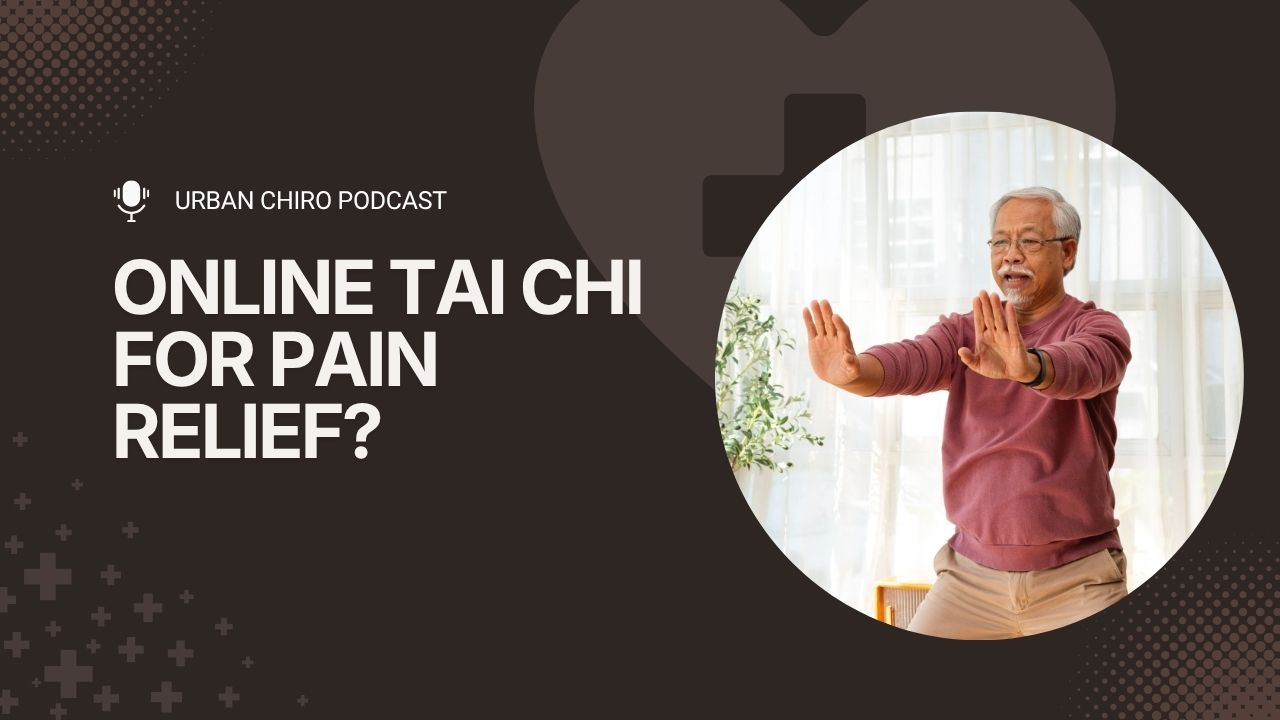
In this deep dive, the episode explores new clinical research on using video-guided Tai Chi as an at-home treatment for knee osteoarthritis. Based on a 12-week study, participants practicing Yang-style Tai Chi independently saw measurable improvements in both pain and joint function—without supervision or in-person care.
The conversation breaks down how slow, controlled movement builds strength without stressing the joint, while also improving joint lubrication and reducing inflammation. Beyond the physical benefits, the episode highlights the role of breathing and nervous system regulation in lowering pain perception. This combination of biomechanics and mental control positions Tai Chi as a powerful, accessible alternative for managing chronic knee pain at home.
(00:00) At-Home Joint Therapy Without Medication or Surgery
- Introduces the concept of treating knee osteoarthritis entirely from home
- Positions Tai Chi as a non-invasive alternative to traditional treatments
- Removes barriers like clinic visits, medications, and physical therapy appointments
(00:28) The 12-Week Study and Clinical Results
- Study compares standard education vs video-guided Tai Chi practice
- Participants completed the program independently without supervision
- Results showed reduced walking pain and improved knee function scores
(00:58) Effectiveness Without Supervision
- Lack of live instruction did not limit outcomes or progress
- Demonstrates the viability of digital, self-guided treatment models
- Suggests telehealth can deliver real physical results
(01:22) Addressing Injury Risk and Form Concerns
- Concerns around improper movement and joint misalignment are acknowledged
- Tai Chi’s slow, controlled structure reduces risk of harmful positioning
- Eliminates high-impact stress commonly seen in other exercise forms
(01:50) Low-Impact Mechanics and Joint Protection
- Movements avoid deep loading and high-intensity strain on the knee
- Focuses on gentle weight shifting rather than forceful motion
- Makes it suitable for individuals with existing joint pain
(02:19) Strength Building Without Joint Stress
- Isometric and eccentric muscle engagement strengthens supporting muscles
- Targets quadriceps and core stability to support knee function
- Improves strength without increasing joint compression
(02:48) Joint Lubrication and Mobility Improvement
- Controlled movement promotes synovial fluid circulation within the joint
- Acts as a natural lubrication system to reduce stiffness
- Enhances mobility while minimizing wear on cartilage
(03:18) Nervous System and Pain Reduction
- Breathing techniques shift the body out of a stress response state
- Reduces sensitivity to pain by calming the nervous system
- Lowers perceived pain without altering structural damage
(03:47) Accessibility and Telehealth Potential
- Removes logistical barriers like travel and clinic access
- Effective for individuals with limited mobility or rural locations
- Demonstrates scalability of digital healthcare solutions
(04:16) Importance of Consistency and Routine
- Long-term adherence is necessary for sustained improvement
- Optional virtual check-ins can help maintain motivation
- Reinforces habit-building as a key component of recovery
(04:40) Rethinking Chronic Pain Management
- Suggests simple, low-cost interventions can produce measurable results
- Challenges reliance on medication and invasive treatments
- Opens the possibility of managing other chronic conditions from home\
Read more from our blog: