Overview:
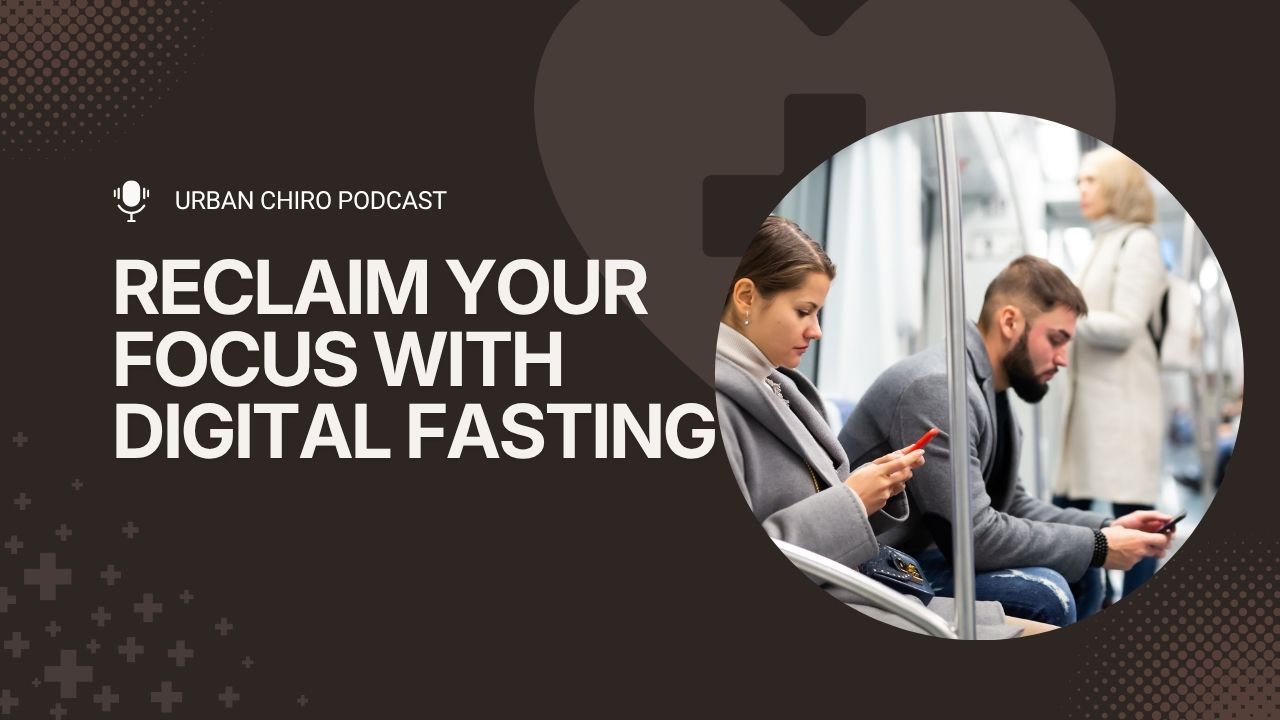
What if the reason you can’t focus, sit still, or feel satisfied anymore isn’t a lack of discipline—but overstimulation?
In this deep dive, the episode unpacks the modern phenomenon often called a “dopamine detox,” cutting through the buzzword to reveal what’s actually happening inside the brain. It explores how constant digital input—social media, notifications, short-form content—keeps your brain’s reward system firing at unnatural levels, forcing it to adapt by reducing its own sensitivity.
The result is a subtle but powerful shift: everyday activities start to feel boring, attention becomes fragmented, and mental fatigue sets in. Instead of framing this as a chemical “detox,” the episode reframes it as a behavioral reset—one that gives your brain the quiet space it needs to recover.
Through a practical 24-hour blueprint, the conversation outlines how to step away from high-stimulation habits, rebuild focus, and restore the ability to find satisfaction in slower, real-world experiences.
(00:00) The Disappearance of Boredom
- Everyday idle moments have been replaced by automatic phone use and constant stimulation
- Even brief downtime triggers an unconscious reflex to seek digital input
- The “in-between” moments of life have effectively been eliminated
(00:29) Always-On Attention and Digital Overload
- Social media, notifications, and content streams fill every gap in attention
- Algorithms are designed to deliver continuous, high-density stimulation
- Leads to mental fatigue, distraction, and emotional overstimulation
(00:52) Why People Feel Mentally Drained
- Constant input pushes the brain beyond what it was designed to handle
- Results in scattered thinking, reactivity, and exhaustion
- Mental burnout becomes a defensive response to overstimulation
(01:21) Dopamine and the Reward System
- Dopamine drives motivation, reward, and anticipation
- Modern technology exploits this pathway through variable rewards and infinite scroll
- Keeps the brain in a constant state of stimulation
(01:51) The Myth of a “Dopamine Detox”
- Dopamine is essential for normal brain function and cannot be eliminated
- The concept is often misunderstood as a chemical cleanse
- The real issue is overstimulation, not the presence of dopamine
(02:18) Downregulation and Loss of Sensitivity
- The brain reduces dopamine receptor sensitivity to protect itself
- Everyday activities feel less rewarding as a result
- Higher levels of stimulation are required to feel engaged
(02:48) What a “Detox” Actually Does
- Not a chemical reset, but a behavioral break from high-stimulation inputs
- Allows dopamine receptors to recover sensitivity over time
- Creates the conditions for focus and clarity to return
(03:15) The 24-Hour Reset Blueprint
- Commit to a one-day break from high-stimulation activities
- Avoid social media, binge content, gaming, and impulsive snacking
- Focus on creating a low-tech, intentional day
(03:44) Replacing Stimulation with Intentional Activities
- Engage in journaling, reading, cooking, walking, or quiet reflection
- Shift from passive consumption to active attention
- Retrains the brain to tolerate slower, real-world pacing
(04:13) Why It Feels Uncomfortable at First
- Initial boredom and restlessness are signs of overstimulated brain patterns
- Discomfort reflects the brain recalibrating its reward system
- Pushing through is necessary for recovery
(04:43) Immediate Benefits After One Day
- Reduced mental clutter and improved clarity
- Lower emotional reactivity and increased sense of control
- Time feels more expansive without constant distraction
(05:13) Long-Term Impact on Focus and Stress
- Reduces cortisol levels and chronic stress from constant input
- Improves sleep by removing overstimulation before rest
- Restores ability to sustain deep focus on single tasks
(05:41) Rediscovering Simple Activities
- Everyday actions like cooking or walking become enjoyable again
- Lower stimulation threshold allows subtle experiences to feel rewarding
- Highlights how overstimulation dulls real-world satisfaction
(06:08) Reclaiming Control Over Attention
- The practice is about managing exposure to stimulation, not eliminating dopamine
- Encourages intentional use of technology rather than passive consumption
- Positions attention as a resource that must be actively protected
Read more from our blog: Dopamine Detox: Why Taking a Break From Constant Stimulation Actually Works | Urban Chiropractic