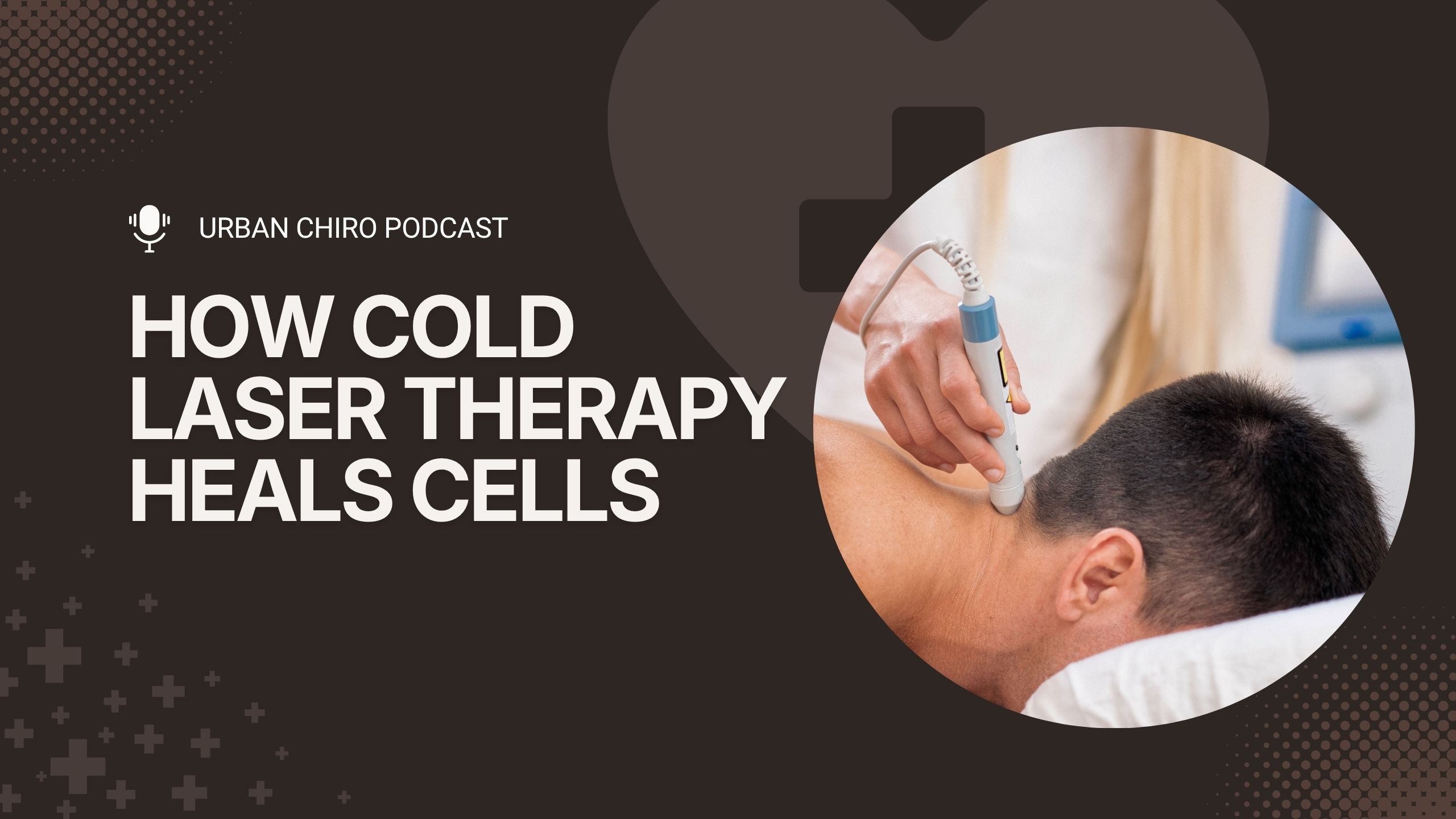
This episode dives into the emerging role of cold laser therapy, also known as low-level laser therapy (LLLT), in modern chiropractic care. It explores the fascinating science of photobiomodulation, explaining how low-intensity light penetrates deep into tissues to boost cellular energy and promote healing. Listeners will learn about the primary benefits of this non-invasive treatment, including natural, drug-free pain relief for conditions like fibromyalgia and sciatica, reduced inflammation for acute injuries like whiplash, and accelerated tissue repair through collagen synthesis. We also cover the wide range of musculoskeletal conditions treated with cold lasers, what patients can expect during a quick, painless session, and how chiropractors seamlessly integrate this therapy with traditional adjustments to enhance whole-body wellness.
Overview:
What if pain relief didn’t come from medication—but from light?
In this deep dive, the episode walks through a full cold laser therapy session from the patient’s perspective, breaking down how low-level laser treatment works from the moment you enter the clinic to the biological processes that continue after you leave. Designed as a non-invasive alternative to painkillers, this therapy targets conditions like plantar fasciitis, TMJ, sciatica, and sports injuries.
The conversation explains how specific light wavelengths penetrate the skin without heat, triggering a process called photobiomodulation. By stimulating cellular energy production (ATP), the body is able to accelerate tissue repair, reduce inflammation, and restore function naturally. Beyond the immediate session, the episode highlights how healing continues through improved blood flow and cellular activity—making this a drug-free approach focused on recovery rather than symptom suppression.
(00:00) What Cold Laser Therapy Treats
- Patients typically seek relief from chronic pain and stubborn conditions
- Common issues include plantar fasciitis, TMJ, sciatica, and sports injuries
- Often used as a non-invasive alternative to pain medication
(00:28) Safety Protocols Before Treatment
- Strict guidelines prevent use on sensitive or high-risk areas like eyes and thyroid
- Screening ensures safe application for all patients
- Reinforces the therapy’s safety despite using laser technology
(00:57) How the Laser Works Without Heat
- Uses red and near-infrared wavelengths to penetrate tissue
- Bypasses the skin surface without causing thermal damage
- Targets deeper muscles and joints safely
(01:26) Integration with Chiropractic Care
- Often combined with adjustments or soft tissue therapy
- Enhances overall treatment effectiveness
- Supports a holistic approach to pain management
(01:54) What the Patient Feels During Treatment
- Procedure is painless with only mild warmth or tingling
- Sessions typically last between 5 to 20 minutes
- No discomfort or invasive sensation during application
(02:23) Photobiomodulation and Cellular Energy
- Light is absorbed by mitochondria to increase ATP production
- Functions similarly to how plants convert light into energy
- Provides cells with the energy needed for repair
(02:53) Tissue Repair and Collagen Production
- Stimulates fibroblast activity to rebuild damaged tissue
- Increases collagen synthesis for structural repair
- Accelerates healing from the inside out
(03:20) No Downtime After Treatment
- Patients can immediately return to normal activities
- No recovery period or post-treatment limitations
- Differentiates from surgery or pharmaceutical interventions
(03:48) Continued Healing After the Session
- Increased ATP boosts blood flow and reduces inflammation
- Flushes out chemicals that cause pain and swelling
- Healing continues even after leaving the clinic
(04:15) Long-Term Treatment and Holistic Approach
- Multiple sessions are typically required for full recovery
- Aligns with drug-free, regenerative healing philosophy
- Focuses on restoring function rather than masking pain