Overview:
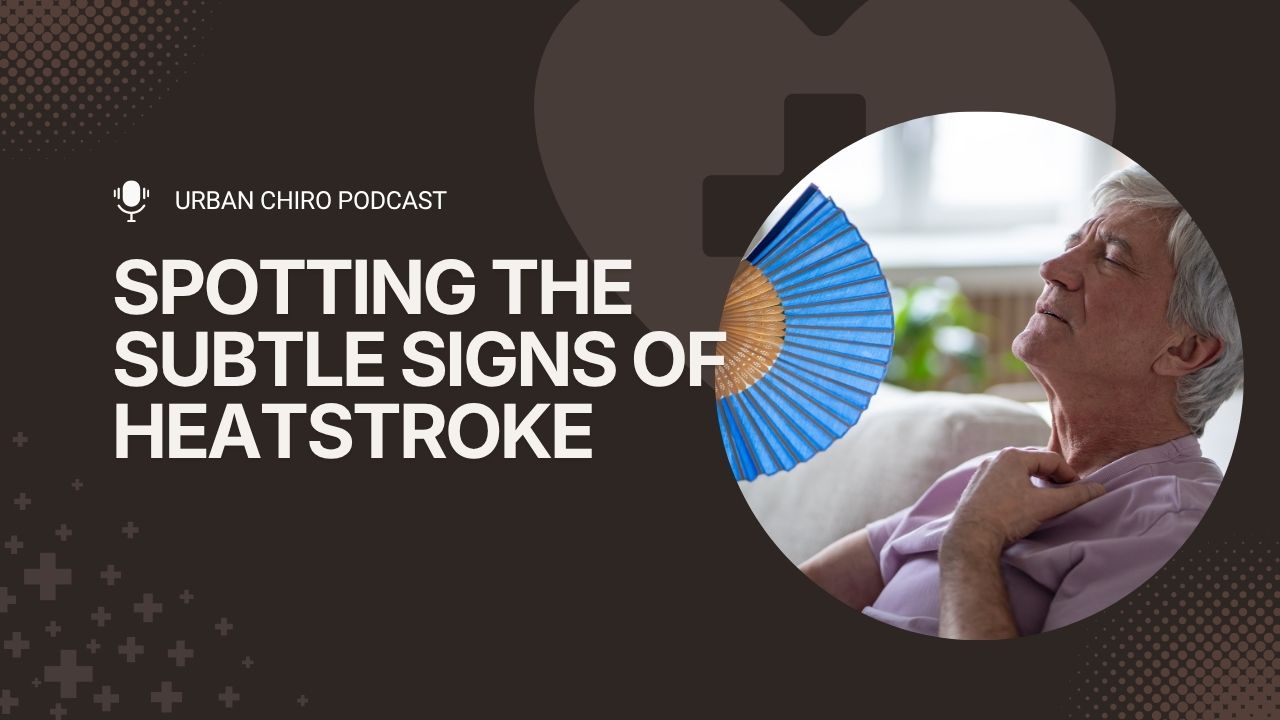
What if the biggest threat during a summer workout isn’t fatigue—but your body quietly overheating?
In this deep dive, the episode breaks down how heat-related illnesses develop, why dehydration is only the beginning, and how quickly things can escalate from mild symptoms to a full medical emergency. Using the analogy of a failing cooling system, it explains how sweating and evaporation work—and what happens when humidity and fluid loss overwhelm that process.
The conversation moves beyond generic advice and focuses on real prevention: recognizing early warning signs like dizziness and headaches, understanding why thirst is not a reliable signal, and learning when water alone is not enough. From electrolyte balance to timing your activity and even the hidden impact of sunburn, this episode reframes heat safety as an active system you must manage—not something you can ignore.
(00:00) Why Heat Stroke Happens Even When You Drink Water
- Introduces scenario of collapse despite hydration, highlighting hidden risks
- Shows how overheating can occur even when preparation seems adequate
- Frames heat safety as a physiological system failure, not just dehydration
(00:29) How the Body’s Cooling System Breaks Down
- Sweating and evaporation act as the body’s primary cooling mechanism
- High heat and humidity reduce evaporation efficiency
- Leads to rising core temperature and potential system failure
(00:58) The Progression of Heat Illness
- Heat-related conditions escalate from dehydration to heat cramps, exhaustion, and stroke
- Heat stroke is identified as a life-threatening emergency
- Early detection is critical to prevent severe outcomes
(01:26) Early Warning Signs People Ignore
- Symptoms include dizziness, nausea, headaches, rapid heartbeat, and confusion
- Often misinterpreted as normal exercise fatigue
- Ignoring these signs increases risk of serious heat illness
(01:55) Higher Risk for Vulnerable Populations
- Children and elderly may not recognize or communicate symptoms effectively
- Thirst and heat response signals are often less reliable
- Requires more proactive monitoring and intervention
(02:24) Why Drinking Water Isn’t Enough
- Thirst is not a reliable indicator of hydration needs
- Heavy sweating leads to loss of key electrolytes like sodium and potassium
- Plain water alone cannot fully restore fluid balance
(02:46) Electrolytes and Proper Hydration Strategy
- Electrolytes help the body retain fluids and maintain balance
- Essential during prolonged activity or high sweat conditions
- Consistent hydration throughout the day is necessary
(03:10) Lifestyle Factors That Affect Heat Safety
- Avoid peak sun hours between 10 a.m. and 4 p.m.
- Wear breathable fabrics to support evaporation and cooling
- Limit caffeine and alcohol due to their dehydrating effects
(03:38) Hidden Risk: Sunburn and Cooling Failure
- Sunburn damages the skin’s ability to regulate temperature
- Reduces efficiency of the body’s cooling system
- Increases vulnerability to heat-related illness
(End) Rethinking Everyday Heat Exposure
- Common summer habits may unknowingly disrupt cooling mechanisms
- Heat safety requires active awareness and prevention
- Encourages reassessment of how daily activities impact hydration and temperature control
Read more from our blog: How to Stay Safe When It’s Hot Outside | Urban Chiropractic