Overview:
What if your back pain isn’t just about injury—but constant micro-movements preventing healing?
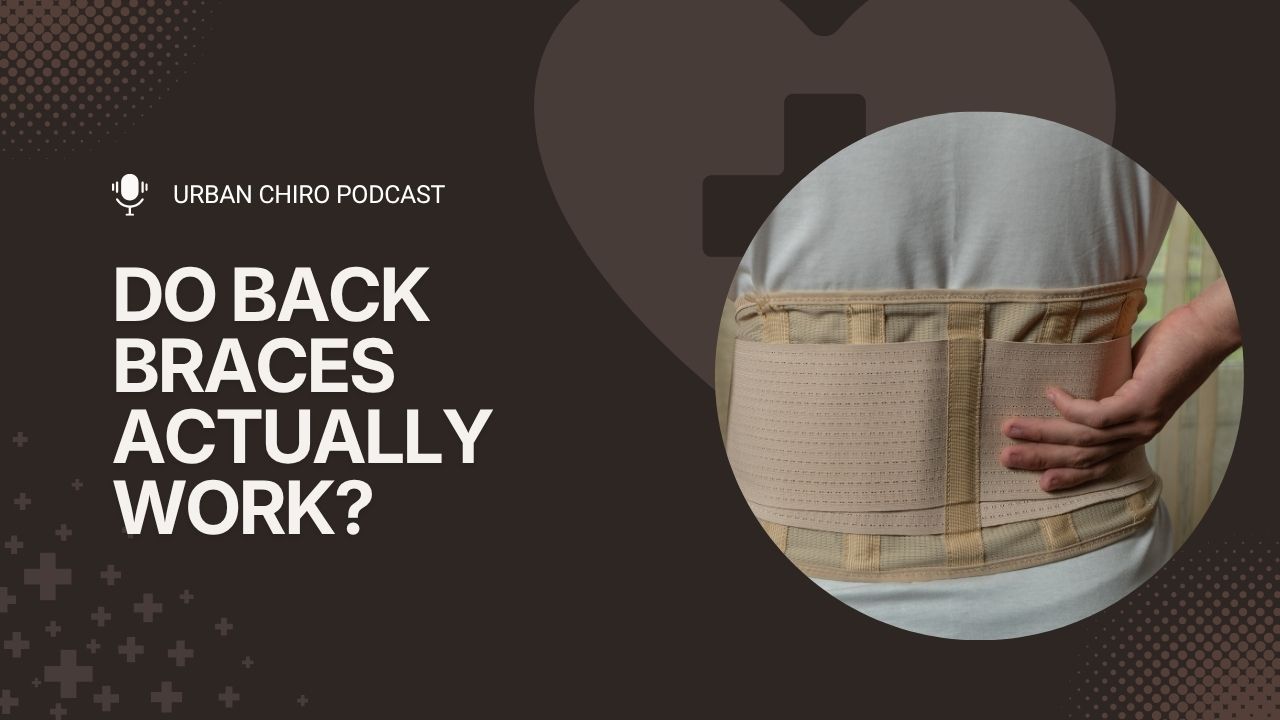
In this deep dive, the episode breaks down how lumbar braces function as more than just support gear—they act as mechanical stabilizers that directly influence how your spine handles load, movement, and recovery. Rather than simply “holding you tight,” these braces limit harmful micro-movements that continuously aggravate injured tissue.
The conversation explains how the spine, acting as the central load-bearing structure of the body, experiences constant stress—even during small actions like shifting position or breathing. A lumbar brace redistributes this load away from vulnerable structures, reduces inflammation, and creates a stable environment for healing.
At the same time, the episode highlights that braces are not one-size-fits-all solutions. Their effectiveness depends on proper selection, duration, and the underlying condition—whether it’s acute injury, chronic degeneration, or structural instability. Used correctly, they provide temporary support; used incorrectly, they risk weakening the body’s natural stabilizing system.
(00:00) Why Back Braces Look More Intense Than Expected
- Often perceived as rigid or excessive support devices
- Creates hesitation or misunderstanding about their purpose
- Introduces the need to understand their actual function
(00:27) The Real Problem: Constant Spinal Stress
- The lumbar spine carries the weight of the upper body
- Even small movements create ongoing mechanical stress
- Injury is worsened by repeated micro-movements
(00:51) How Lumbar Braces Work Mechanically
- Limit harmful motion in the lower back
- Stabilize the spine during movement and rest
- Reduce friction at the injury site
(01:19) Why Micro-Movements Matter
- Tiny shifts from breathing or posture changes can aggravate injury
- Trigger inflammation and prolong pain
- Prevent proper healing if left uncontrolled
(01:46) Load Redistribution and Support
- Braces shift weight away from the spine
- Reduce pressure on discs and joints
- Function as external support for damaged structures
(02:13) Creating a Stable Healing Environment
- Immobilization allows inflammation to decrease
- Enables natural repair processes to occur
- Acts like a “clamp” holding the spine in place during recovery
(02:42) Who Benefits from Lumbar Bracing
- Post-surgical patients needing
- Athletes preventing repetitive strain injuries
- Individuals with chronic spinal conditions
(03:08) Conditions That Require Bracing
- Spondylolisthesis (vertebral slippage)
- Degenerative disc disease and spinal stenosis
- Structural instability and chronic back pain
(03:38) Why Proper Fitting Matters
- Different conditions require different brace types
- Rigid vs flexible materials serve different purposes
- Incorrect choice can reduce effectiveness or worsen issues
(04:06) The Importance of Wearing Schedule
- Braces are not meant for constant, indefinite use
- Duration depends on injury severity and recovery stage
- Requires guidance from a healthcare professional
(End) The Risk of Overreliance
- Long-term use may weaken natural stabilizing muscles
- Body can become dependent on external support
- Emphasizes balance between support and rehabilitation
Read more on our blog: