Overview:
What if “sugar-free” doesn’t mean consequence-free—but just shifts the problem somewhere else?
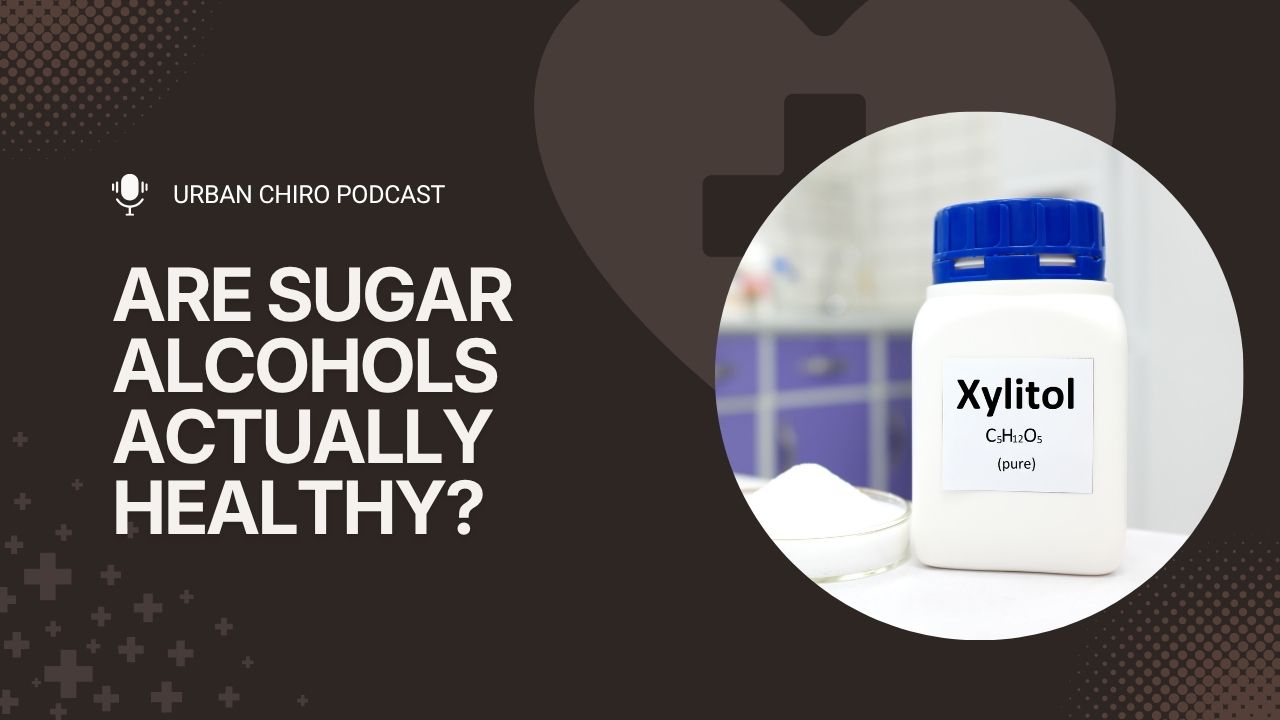
In this deep dive, the episode examines sugar alcohols—commonly used in keto products, protein bars, and “low-carb” snacks—and breaks down the trade-off between their metabolic benefits and digestive side effects. While these compounds offer reduced calories and minimal blood sugar impact, their unique structure prevents full absorption in the body, creating a second set of effects further down the digestive tract.
The conversation follows their path through the body: from delivering sweetness without glucose spikes to reaching the large intestine, where they are fermented by gut bacteria. This process can lead to bloating, gas, and in some cases, a laxative effect due to their ability to draw water into the bowel.
Rather than labeling them as good or bad, the episode frames sugar alcohols as a tool—useful for managing blood sugar and calorie intake, but highly dependent on dose, individual tolerance, and overall diet. The key is understanding the trade-off: metabolic control versus digestive impact.
(00:00) The “Sugar-Free” Promise
- Sugar alcohols offer sweetness without traditional sugar effects
- Marketed as a solution for weight loss and blood sugar control
- Introduces the idea of a metabolic “free pass”
(00:26) What Are Sugar Alcohols (Polyols)?
- Includes compounds like erythritol, xylitol, sorbitol, and mannitol
- Used widely in low-carb and sugar-free products
- Designed to mimic sugar without full caloric impact
(00:52) Why They Don’t Provide Calories
- Digestive enzymes cannot fully break down their chemical structure
- Results in minimal energy extraction
- Prevents spikes in blood glucose levels
(01:22) The Metabolic Advantage
- Useful for managing diabetes and reducing calorie intake
- Support stable blood sugar without insulin spikes
- Provide an alternative to traditional sugar
(01:50) What Happens in the Gut
- Unabsorbed compounds pass into the large intestine
- Fermented by gut bacteria
- Produces gas and digestive discomfort
(02:18) Bloating, Gas, and Digestive Stress
- Fermentation leads to noticeable gastrointestinal symptoms
- Severity depends on dose and individual tolerance
- Common side effect of frequent consumption
(02:45) The Laxative Effect
- Certain sugar alcohols pull water into the intestines
- Can cause diarrhea when consumed in higher amounts
- Acts as an osmotic mechanism in the digestive tract
(03:14) The Problem with Modern Food Products
- High concentrations used in processed “health” foods
- Single products may contain large doses
- Makes moderation difficult in real-world consumption
(03:43) Individual Sensitivity and Side Effects
- Some people experience headaches, rashes, or intolerance
- Reactions vary widely between individuals
- Requires personal evaluation rather than general assumptions
(04:12) Tool vs Long-Term Solution
- Effective for short-term metabolic control
- Not a complete replacement for whole-food nutrition
- Overreliance may create new health issues
(End) The Trade-Off to Consider
- Reduces calorie and sugar intake but introduces digestive effects
- No true “free pass” in nutrition—cost is simply shifted
- Encourages awareness of both metabolic and digestive impact
Read more on our blog: