Protein Packed Recipes for Muscle Growth and Recovery
Fueling your body properly with protein is essential, especially for those who engage in regular exercise and strength training. As chiropractors, we understand the importance of maintaining optimal muscle health and supporting recovery after intense workouts. Alongside chiropractic adjustments that keep your body aligned and functioning smoothly, the right nutrition plays a critical role in muscle repair and overall performance. Incorporating high-protein meals into your diet is key to ensuring your body has the building blocks it needs for growth and recovery. In this article, we’ll share four high-protein recipes specifically designed to help bodybuilders and gym-goers reach their fitness goals while supporting joint health and overall wellness.
Here are 4 high-protein recipes designed to support muscle growth, recovery, and sustained energy.
1. Grilled Chicken and Quinoa Power Bowl
This bowl is packed with lean protein from chicken and plant-based protein from quinoa, making it a perfect post-workout meal.
Ingredients:
- 1 cup cooked quinoa
- 6 oz grilled chicken breast, sliced
- 1/2 avocado, diced
- 1/4 cup black beans
- 1/2 cup roasted sweet potatoes
- 1 tbsp olive oil
- 1 tbsp lemon juice
- Salt and pepper to taste
- Fresh cilantro for garnish
Instructions:
- Cook quinoa according to package instructions and set aside.
- Grill the chicken breast until fully cooked, then slice it.
- In a large bowl, combine quinoa, black beans, roasted sweet potatoes, and avocado.
- Drizzle with olive oil and lemon juice, and season with salt and pepper.
- Top with grilled chicken slices and garnish with fresh cilantro.
- Serve warm and enjoy a protein-packed meal that fuels muscle repair and growth.
Protein per serving: 40g
2. Salmon and Veggie Stir-Fry
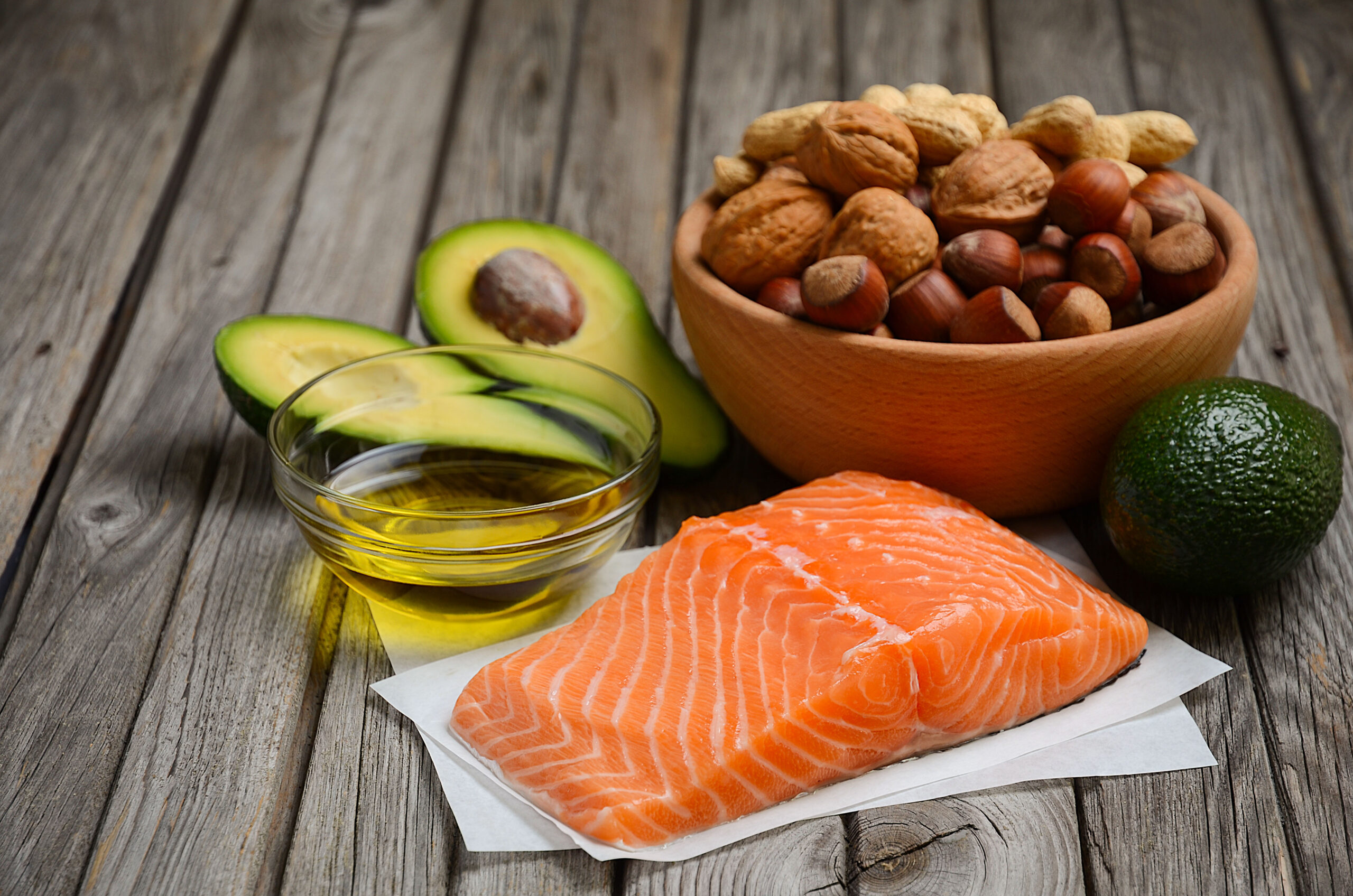
This stir-fry is rich in omega-3s and high-quality protein, providing the essential fats and protein your body needs after intense workouts.
Ingredients:
- 6 oz salmon fillet
- 1 cup broccoli florets
- 1/2 cup bell peppers, sliced
- 1/2 cup zucchini, sliced
- 1 tbsp soy sauce or tamari
- 1 tbsp olive oil
- 1 tsp sesame oil
- 1 tsp garlic, minced
- 1 tsp ginger, grated
- Cooked brown rice for serving (optional)
Instructions:
- Heat olive oil in a pan over medium heat. Add garlic and ginger and sauté until fragrant.
- Add broccoli, bell peppers, and zucchini, and stir-fry until tender but still crisp.
- In a separate pan, cook the salmon fillet until it flakes easily with a fork.
- Drizzle soy sauce and sesame oil over the veggies, and stir to coat.
- Serve the stir-fry with the salmon on top. Optionally, add a serving of brown rice for extra carbs.
Protein per serving: 35g
3. Egg White and Spinach Scramble
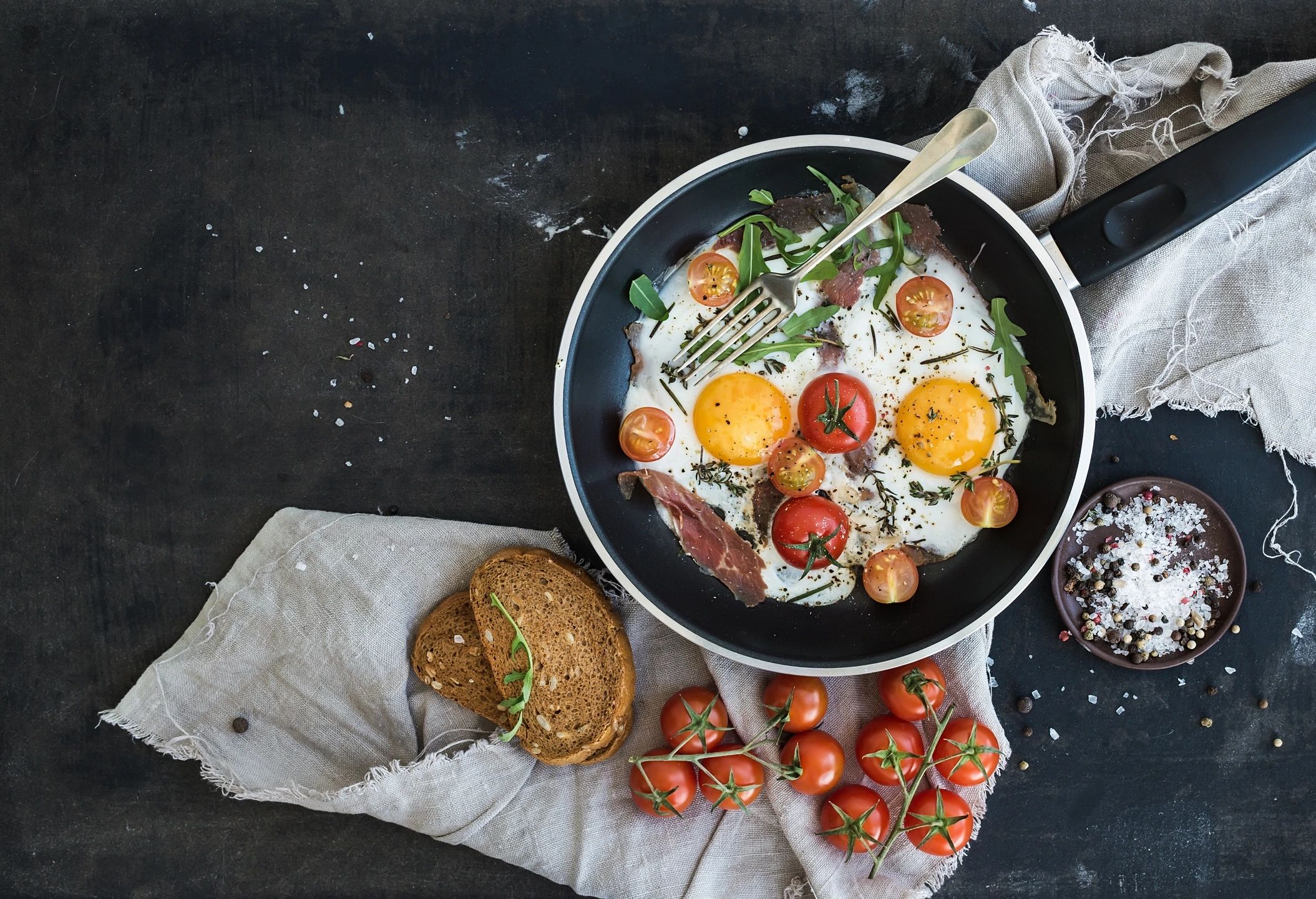
This low-fat, high-protein scramble is perfect for a quick breakfast or snack to fuel muscle recovery.
Ingredients:
- 6 egg whites
- 1/2 cup spinach, chopped
- 1/4 cup cherry tomatoes, halved
- 1/4 cup cottage cheese (optional, for extra protein)
- 1 tbsp olive oil
- Salt and pepper to taste
- Hot sauce or salsa for serving (optional)
Instructions:
- Heat olive oil in a non-stick pan over medium heat.
- Add spinach and cherry tomatoes, and cook until spinach wilts.
- Pour in the egg whites and cook, stirring frequently, until fully set.
- Stir in cottage cheese (if using) and season with salt and pepper.
- Serve hot, and optionally top with salsa or hot sauce for extra flavor.
Protein per serving: 30g
4. Protein-Packed Turkey Meatballs
These turkey meatballs are lean, high in protein, and perfect for meal prep. Pair them with whole-grain pasta or quinoa for a complete meal.
Ingredients:
- 1 lb lean ground turkey
- 1/2 cup rolled oats (ground into flour)
- 1 egg
- 1/4 cup grated Parmesan cheese
- 1 tsp garlic powder
- 1 tsp onion powder
- 1 tsp Italian seasoning
- Salt and pepper to taste
- Marinara sauce (optional, for serving)
Instructions:
- Preheat oven to 375°F (190°C). Line a baking sheet with parchment paper.
- In a large bowl, combine ground turkey, oat flour, egg, Parmesan, and seasonings. Mix until well combined.
- Form the mixture into meatballs (about the size of a golf ball) and place them on the prepared baking sheet.
- Bake for 20-25 minutes or until fully cooked.
- Serve with marinara sauce, whole-grain pasta, or a side of vegetables for a well-rounded meal.
Protein per serving (4 meatballs): 28g
Incorporating these high-protein recipes into your weekly meal plan can make a significant difference in your fitness journey. Whether you’re building muscle, recovering from workouts, or simply looking to boost your protein intake for better health, these meals provide a delicious and easy way to meet your nutritional needs. As part of a holistic approach to wellness, chiropractic care combined with proper nutrition can help your body perform at its best, ensuring that you recover faster and maintain strength for the long term. For personalized advice on how chiropractic care and nutrition can enhance your fitness routine, feel free to reach out to our clinic—we’re here to support your health in every way possible!