
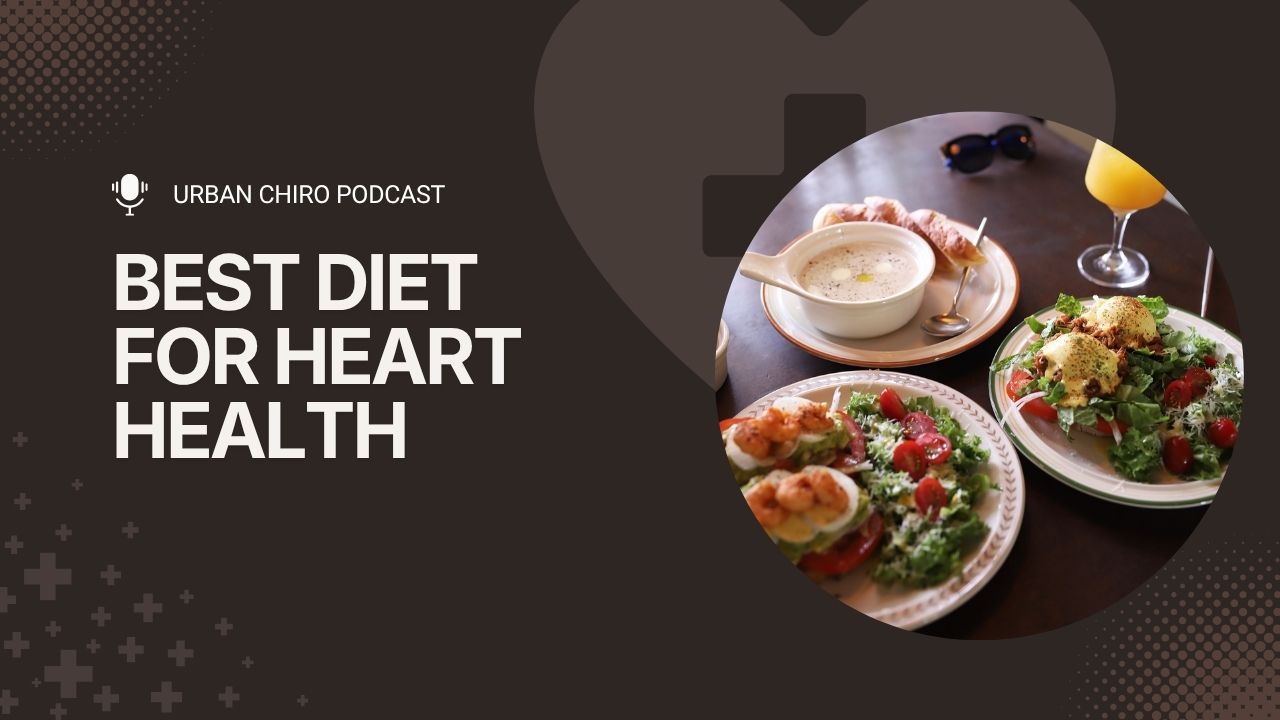
Overview:
What if heart health isn’t about avoiding bad foods—but actively repairing your blood vessels every day?
In this deep dive, the episode breaks down what the best diets for heart health are, and how nutrition directly impacts the endothelium—the inner lining of your blood vessels that experiences constant mechanical stress with every heartbeat. Instead of focusing on restriction, the discussion reframes food as a set of tools that repair damage, regulate blood flow, and stabilize long-term cardiovascular function.
Using a practical weekly meal structure, the episode explains how specific ingredients—like leafy greens, legumes, whole grains, and fatty fish—work together to reduce oxidative stress, improve circulation, and support healthy cholesterol balance. It highlights how fiber slows energy release, omega-3s maintain vessel flexibility, and micronutrients enhance oxygen transport.
Beyond individual foods, the conversation emphasizes synergy—how combining ingredients like vitamin C and plant-based iron dramatically improves absorption and effectiveness. The result is a system where small, consistent choices compound into measurable cardiovascular protection.
(00:00) The Hidden Stress on Your Blood Vessels
- The endothelium is constantly under pressure from blood flow
- Damage accumulates over time through oxidative stress\
- Heart health depends on maintaining this inner lining
(00:29) Moving Beyond Restriction-Based Diets
- Traditional advice focuses on avoiding harmful foods
- Introduces proactive repair through targeted nutrition
- Reframes diet as active cardiovascular support
(00:59) Building a Functional Weekly Meal Plan
- Uses simple, repeatable meals for consistency
- Combines salads, soups, and balanced dinners
- Focuses on nutrient density rather than complexity
(01:29) Vitamin C and Endothelial Repair
- Neutralizes free radicals that damage blood vessels
- Supports structural integrity of the vascular system
- Found in high amounts in leafy greens like spinach
(01:55) Plant Protein and Fiber for Stability
- Lentils and chickpeas provide sustained energy release
- Fiber slows digestion and prevents blood sugar spikes
- Reduces metabolic stress on the cardiovascular system
(02:22) Carbohydrates, Fats, and Insulin Control
- Whole grains paired with fats do not trigger rapid spikes
- Fiber regulates glucose absorption
- Maintains stable energy without vascular strain
(02:49) Omega-3s and Blood Vessel Flexibility
- Found in foods like salmon
- Improve elasticity of blood vessel walls
- Help regulate blood pressure and reduce triglycerides
(03:18) Ingredient Synergy and Absorption
- Vitamin C enhances absorption of plant-based iron
- Improves oxygen transport through healthy red blood cells
- Demonstrates importance of combining nutrients strategically
(03:45) Natural Compounds That Support Circulation
- Garlic promotes vasodilation and improves blood flow
- Spices like paprika support cholesterol regulation
- Small additions create measurable physiological effects
(04:12) Simplifying the Grocery Strategy
- Focus on overlapping ingredients for efficiency
- Reduces complexity while maintaining nutritional value
- Makes consistency easier to maintain
(End) Rethinking Daily Habits for Heart Health
- Consistent food choices directly influence long-term outcomes
- Nutrition acts as ongoing maintenance for the cardiovascular system
- Emphasizes cumulative impact of small, repeated actions
Read more on our blog: /prioritize-heart-health-with-these-5-nutrient-packed-recipes/